If you have ever wondered why one Dana Point address feels like a quiet coastal neighborhood while another feels like the center of the action, you are not imagining it. Dana Point’s coastal areas vary in a big way based on land use, street pattern, views, and access to the harbor or town center. If you are trying to match your home search to your daily lifestyle, this guide will help you understand the difference and narrow in on the right fit. Let’s dive in.
Why Dana Point Feels So Varied
Dana Point covers about 6.7 square miles, but it packs in seven miles of coastal bluffs, scenic rolling hills, and a harbor with slips and moorings for more than 2,500 boats. That combination shapes how each coastal pocket lives day to day.
In practical terms, your experience can change a lot from one area to the next. Some parts feel more walkable and town-centered, some are more residential, and some are built around water access, views, or visitor activity.
Start With Your Lifestyle
Before you focus on a street or home style, it helps to think about how you want Dana Point to feel when you wake up each morning. Do you want to walk to coffee, dinner, and errands? Do you want easy access to the harbor? Or do you picture a quieter setting with a more residential rhythm?
That lifestyle-first approach matters in Dana Point because the city’s coastal neighborhoods are not all built for the same pace. A home near the harbor can offer convenience and energy, while a home in a more residential pocket may offer a different kind of everyday calm.
Harbor Area: Best for Activity and Access
What the harbor area is like
The harbor is a county-managed waterfront area with beach access, boating facilities, and visitor-serving amenities. Orange County organizes the harbor revitalization around the Marina, the Commercial Core, and the Hotel, with the first major landside phase focused on the Commercial Core at the end of Golden Lantern at Dana Point Harbor Drive.
If you want to be close to boating, restaurants, and waterfront activity, this is the most action-oriented coastal setting in Dana Point. It is also the area most likely to feel busy because of its visitor focus and the ongoing phased redevelopment, which Orange County says is on track for completion in 2028.
What buyers should keep in mind
The harbor edge can be a strong fit if convenience to the water is your top priority. It also helps to know that public access is intended to remain available during construction, but nearby blocks may still feel the effects of parking management and project activity.
OC Parks notes that parking lots, beach areas, and picnic areas have a curfew between midnight and 5:00 a.m. Beach hours are 5:00 a.m. to 10:00 p.m. daily, which is useful if your routine includes early beach walks or evening time by the water.
Nearby recreation adds to the draw
Doheny State Beach adds another layer of appeal near this part of town. The city notes that it includes a day-use surfing beach, a five-acre lawn with picnic facilities and volleyball courts, campsites, tide pools, and a visitor center with aquariums.
For buyers who want a more active coastal lifestyle, that combination of harbor access and beach recreation is hard to ignore. The tradeoff is that this area tends to feel more like a destination than a tucked-away neighborhood.
Lantern District: Best for Walkability
What defines the Lantern District
Official county materials describe the Lantern District as a mixed-use area with multifamily residential, commercial, and retail uses that serve both residents and visitors. The district runs along Pacific Coast Highway and Del Prado Street, from Copper Lantern Street to Blue Lantern Street.
If your ideal day includes walking to shops, dining, and local businesses, this is the clearest town-center choice. Dana Point’s Town Center Plan specifically aims to create a pedestrian-friendly mixed-use district for shopping, dining, entertainment, and related uses.
Why this area stands out
The plan supports residential uses above retail and reinforces the district’s pedestrian character through public improvements and signage. Building height is limited to 40 feet and three stories, which helps define the scale of the area.
For buyers, that means the Lantern District offers one of the strongest combinations of convenience and coastal-town energy in Dana Point. It can be especially appealing if you want to leave the car parked more often and stay close to the pulse of town.
Lantern Village: Best for a Residential Feel Near Town
Why Lantern Village feels different
Just north of the Lantern District, official county materials describe Lantern Village and Dana Hills as primarily residential areas. The city also describes Lantern Village as the historic center of Dana Point, with the city’s earliest neighborhoods, the largest concentration of historic homes, steep curving topography, and ocean-oriented streets.
That gives Lantern Village a different feeling from the mixed-use core nearby. It stays connected to the Town Center and harbor area, but it reads more clearly as a neighborhood first.
What buyers often like here
If you want a residential setting without giving up easy access to the center of town, Lantern Village often stands out. The city notes that the area has easy access to the Town Center by foot or bike, which makes it attractive for buyers who want both neighborhood character and everyday convenience.
Small public spaces add to that feel. Lantern Village Community Park includes a rose garden, shaded areas, benches, and lit paths, while the Bluff Top Trail offers a short historical walk along the bluffs with harbor views.
Bluff-Top Areas and the Headlands: Best for Views
Why these areas are so sought after
Dana Point’s bluff-top setting is a real part of the city’s identity. The city describes Dana Point as a place defined by prominent coastal bluffs and scenic rolling hills, and the Headlands as a 121.3-acre site with sheer coastal bluffs, scenic vistas, and pedestrian trails.
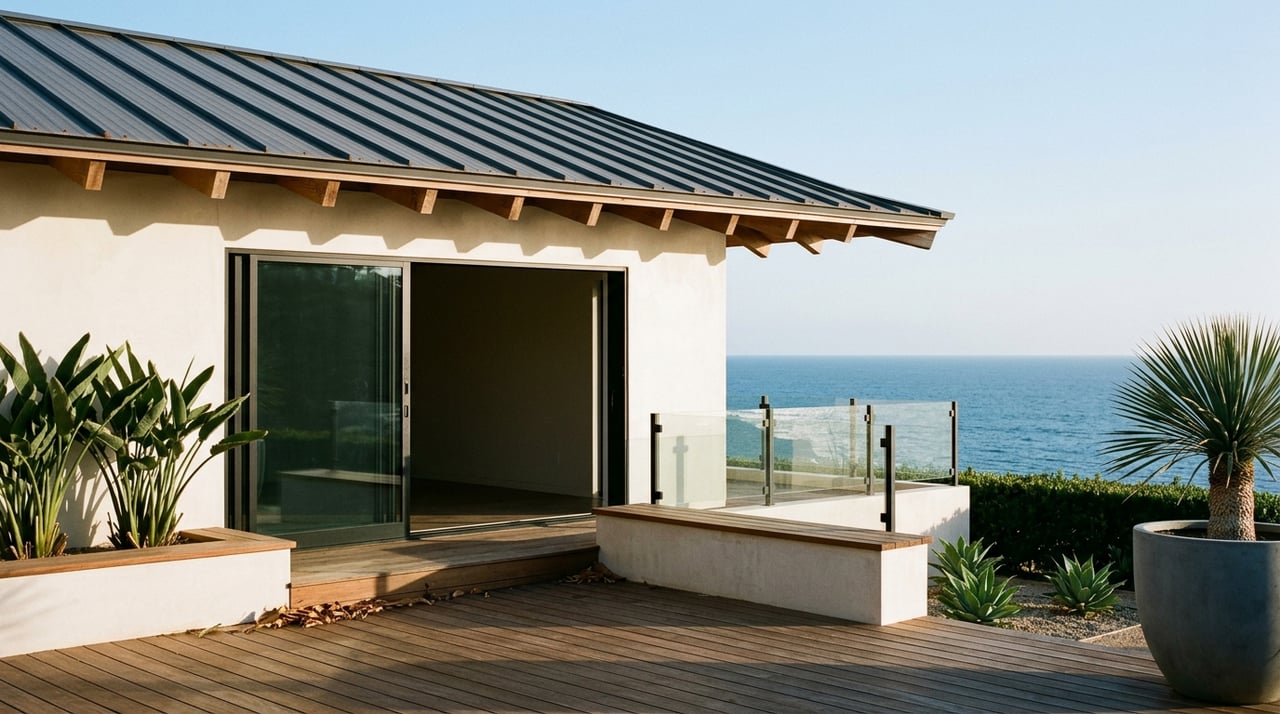
If your search is centered on ocean outlooks, dramatic topography, and a stronger connection to open space, the bluff-top pockets and the Headlands deserve close attention. These are the most view-forward parts of Dana Point.
What the Headlands includes
The completed Headlands buildout includes 118 single-family homes, a conservation park, and about 41 acres of additional parks and open space. The Headlands trail system is about three miles long and links conservation areas with coastal access, scenic overlooks, beach access points, and the Nature Interpretive Center.
That makes this area especially compelling if daily walks, coastal trails, and open-sky views are part of your lifestyle checklist. It offers a different experience from the harbor and town center, with more emphasis on landscape and vistas.
South Strands and public view context
For another bluff-top example, the city describes South Strands Conservation Park above Strands Beach as a place to stroll and enjoy the sunset, with funicular access to the beach, lit paths, scenic views, picnic tables, and restrooms.
It is also worth understanding Dana Point’s view guidance. The city says its rules protect public views, not private views, which is especially relevant in bluff-top areas where scenic overlooks, public access, and view corridors are part of the setting.
Housing Mix: Where You May Find More Options
Dana Point’s coastal neighborhoods also differ in housing pattern. Official city and county materials indicate that the Lantern District and Lantern Village offer the widest mix of housing types, including multifamily, duplex, and single-family patterns, while the Headlands adds a strong single-family component.
That matters if you want flexibility in home style or entry point. In general, areas with more mixed-use and attached housing tend to provide more variety, while bluff-top view homes are a scarcer product type.
Quick Neighborhood Fit Guide
Here is a simple way to think about the major coastal pockets in Dana Point:
| Area | Best Fit For | General Feel |
|---|---|---|
| Harbor area | Buyers who want boating access and waterfront activity | Busy, active, visitor-oriented |
| Lantern District | Buyers who want walkability to shops and dining | Mixed-use, town-center, pedestrian-friendly |
| Lantern Village | Buyers who want a residential setting near the action | Historic, neighborhood-oriented, connected |
| Headlands and bluff-top areas | Buyers focused on views and open space | Scenic, elevated, view-forward |
How to Choose the Right Dana Point Neighborhood
The best neighborhood is usually the one that matches your routine, not just your wish list. If you want to be in the middle of activity, the harbor and Lantern District may feel right. If you want a more residential environment with close access to town, Lantern Village may be the better match.
If views and outdoor space lead your search, bluff-top areas and the Headlands may rise to the top. And if flexibility in housing type matters, the mixed-use and residential blend in the Lantern-area neighborhoods may give you more to consider.
Dana Point is a lifestyle market in the truest sense. The difference between neighborhoods often comes down to how you want to spend your mornings, evenings, and weekends.
If you want help narrowing down Dana Point’s coastal neighborhoods based on how you actually live, Jim and Liz Habig can help you compare the options and find the right coastal fit.
FAQs
Which Dana Point area is most walkable for shops and restaurants?
- The Lantern District is the most walkable mixed-use area, with planning centered on pedestrian-friendly access to shopping, dining, and town-center uses.
Which Dana Point coastal neighborhood feels most residential?
- Lantern Village is one of the most residential-feeling pockets near the core, with historic homes, curving streets, and easy access to town by foot or bike.
Which Dana Point area is best for harbor access and boating?
- The harbor-adjacent area is the best fit for direct access to boating facilities, waterfront amenities, and nearby dining and activity.
Which Dana Point neighborhood offers the strongest ocean-view setting?
- Bluff-top areas, the Headlands, and South Strands are the most view-forward pockets because they are shaped by coastal bluffs, scenic overlooks, and open-space trails.
Which Dana Point areas may have a wider mix of housing types?
- The Lantern District and Lantern Village generally offer the widest mix, with official materials describing multifamily, duplex, and single-family patterns in those areas.