Thinking about listing your San Clemente home and wondering where to start? You are not alone. Prepping a coastal property takes a little more planning, but the payoff can be real when buyers walk in and feel the beach lifestyle right away. In this guide, you will get a simple 4–6 week checklist, coastal-specific fixes, smart staging ideas, and the key paperwork to line up so you can list with confidence. Let’s dive in.
Know your market and timing
San Clemente is a high-demand coastal market with price tiers that shift by micro-neighborhood and view. Recent public portals showed a wide spread between median sale prices and median list values, roughly around the mid- to high-$1 million range. Treat those as context only. Your final price should come from an MLS-based CMA that adjusts for view, proximity to the beach, and recent local sales.
Early spring tends to pull the most buyer activity in many markets, often March through May. If you want to maximize traffic, target that window. Still, well-prepared and well-priced homes can sell year-round in San Clemente. Plan on 2–6 weeks of prep, with many sellers finishing in about a month.
Your 4–6 week pre-list checklist
Weeks 4–6: High-impact refresh
- Declutter and depersonalize. Clear counters, pack away most photos, thin out closets, and deep clean carpets, windows, and grout. Homes feel bigger and photograph better.
- Repaint in light, neutral tones. A simple paint plan often delivers one of the best returns for broad buyer appeal.
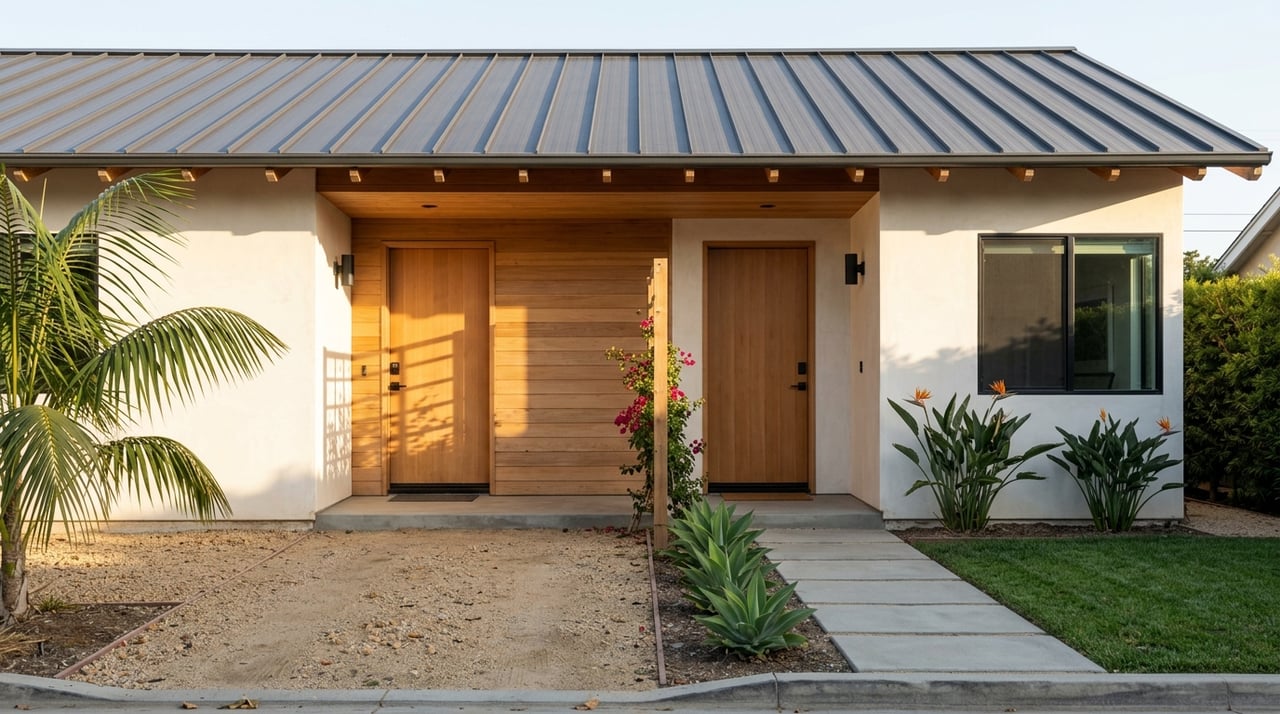
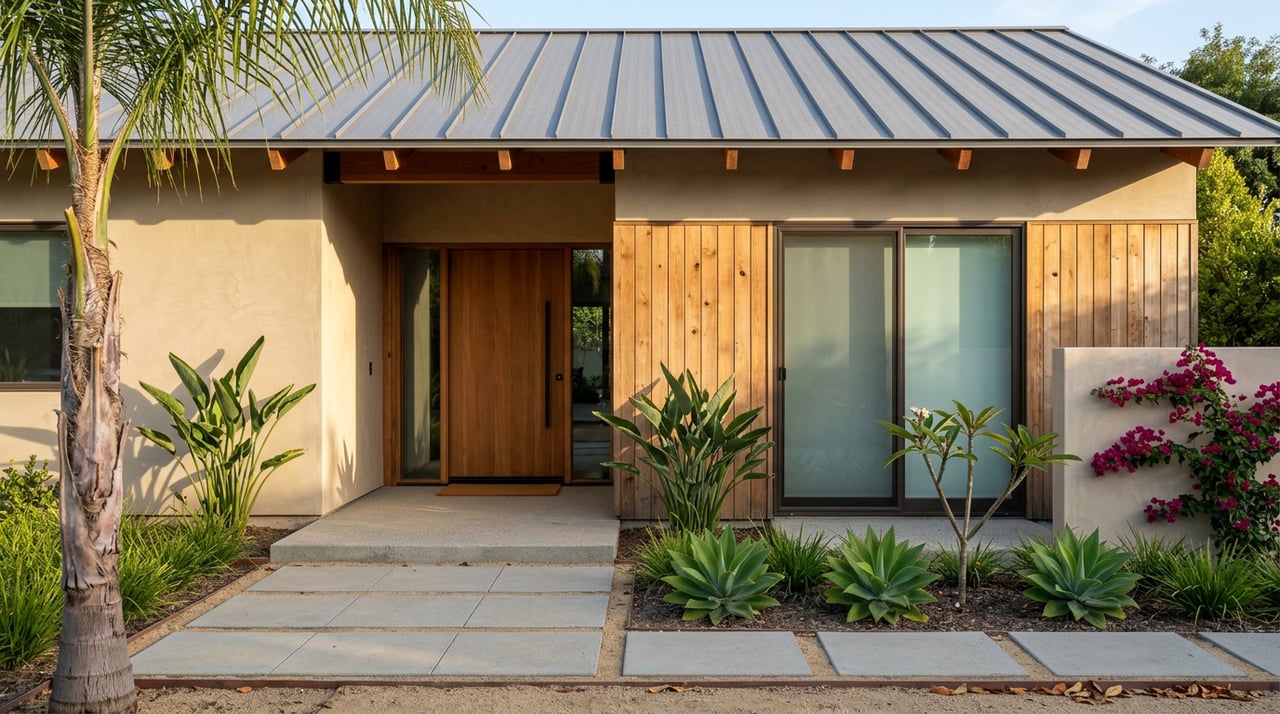
- Improve curb appeal. Pressure-wash hardscapes, trim hedges, refresh mulch, and add simple potted plants by the entry. Repair exterior lighting.
- Brighten lighting. Use higher-lumen warm bulbs and check dimmers and shades. NAR staging guidance highlights light and neutral palettes for buyer appeal. See the National Association of REALTORS guidance on home staging basics.
Weeks 3–6: Repairs and systems
- Service HVAC, water heater, and exterior A/C condensers. Coastal homes can need more frequent service. Keep the receipt to show buyers recent maintenance.
- Knock out visible fixes. Handle leaky faucets, squeaky doors, missing or cracked tiles, and worn caulk around windows and doors.
- Consider a targeted pre-list inspection. Finding and addressing issues before going live can prevent delays and reduce repair negotiations later.
Weeks 2–3: Termite, disclosures, and documents
- Wood-destroying pests. A licensed structural pest control inspection is often requested by buyers or lenders in California. Getting a report and clearing active issues ahead of time can smooth escrow. Confirm licensing and standards with the California Structural Pest Control Board.
- Order required disclosures. In California, buyers expect the Transfer Disclosure Statement and a Natural Hazard Disclosure package. Learn what the NHD includes and why it matters in this C.A.R. quick guide.
- Gather your file. Permits and receipts for remodels, HOA documents, recent utility bills, and any septic or system records. If you made improvements without permits, discuss disclosure language with your agent.
Week 1: Staging, photos, and launch
- Install final staging or virtual staging. Focus on the rooms that move buyers most: living room, kitchen, and primary bedroom. NAR research finds these rooms deliver the most impact. See NAR’s staging insights and the latest staging report.
- Book professional listing media. Order a full photo set, a floor plan, and a twilight exterior if your home has sunset or water views. Data-backed analyses show strong media can increase online engagement and speed sales. Here is one example on why pro photos help listings sell faster.
- Go live and market. Your agent should syndicate to the MLS, activate targeted outreach, and manage showings.
Coastal-specific fixes buyers notice
Salt air maintenance
Salt air can accelerate corrosion on exterior hardware, railings, and HVAC components. Replace corroded exterior fixtures with stainless or marine-grade options, refresh exterior paint where needed, and have your A/C cleaned and serviced. Frame these as routine coastal upkeep in your marketing so buyers know the home has been cared for.
Bluff, shoreline, and coastal permits
If your property is bluff-adjacent or very close to the shoreline, verify any Coastal Development Permits and check bluff erosion reports or studies you may have. Coastal hazard planning is evolving statewide, and buyers may ask about it. For policy context, review the California Coastal Commission’s sea level rise guidance update and coordinate with your agent and local planning.
Flood zones and insurance
If your parcel sits in a FEMA Special Flood Hazard Area, most lenders will require flood insurance. Confirm your status using FEMA’s Flood Map Service Center and talk with your insurer. Getting clarity early helps avoid surprises during underwriting.
Coastal landscaping that lasts
Choose salt-tolerant, low-water plants and wind-tough hedges near the entry. Native, drought-wise selections photograph well and reduce upkeep. For ideas, see regional resources on salt-tolerant plant lists and work with a local landscaper to tailor your palette.
Stage the surf lifestyle, not a theme park
Keep it light and neutral
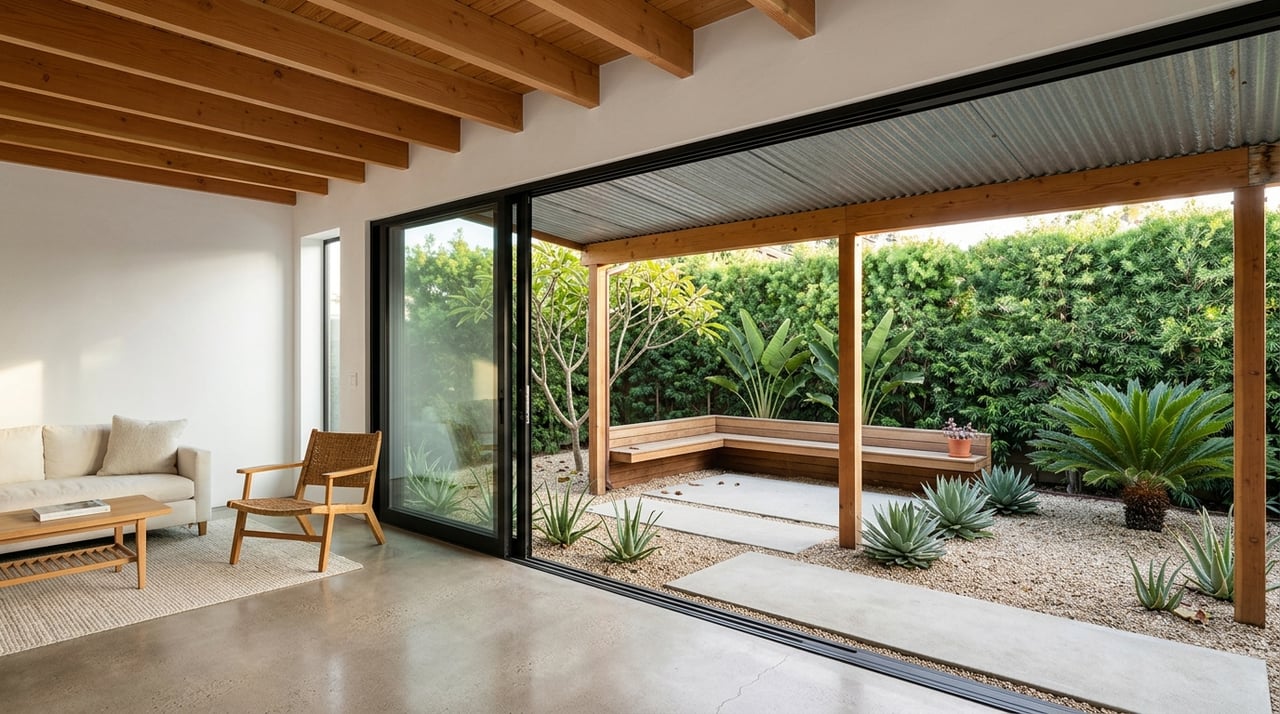
Aim for a sunlit base: warm whites, sandy beiges, light grays. Add texture with woven rugs, jute, linen, and wood accents. This reads fresh in photos and appeals to a wide range of buyers.
Show lifestyle through key rooms
Stage the living room, kitchen, and primary bedroom with simple, comfortable pieces and minimal clutter. Use one or two tasteful coastal nods, like local surf photography or a single display board in a family room. Save gear storage for the garage or neat wall racks.
Get the media right
Schedule photography for times when the marine layer is likely to lift. In late spring, mornings often start gray, then clear by mid-day. Scripps researchers explain when “May Gray” is likely to appear, which can help with planning. Read their overview on predicting May Gray. If sunsets or ocean views are a selling point, include a twilight exterior and a few golden-hour interiors.
Pricing and strategy: why local expertise matters
Pricing in San Clemente is hyper-local. A few blocks, a bluff line, or a view corridor can shift price per square foot. A strong local agent will prepare a current MLS-based CMA, adjust for view and proximity, and recommend a pricing strategy that fits your goals.
Great marketing goes beyond the MLS. Expect professional photos, floor plans, targeted outreach to coastal and second-home buyers, curated open houses, and social campaigns that speak to the lifestyle. Your agent should also guide disclosure timing and escrow flow to reduce risk in areas like flood zones, WDO, and coastal permitting. Learn more about brokerage legal hot topics in NAR’s summary of issues brokers watch.
A simple 4–6 week timeline
- Week 4–6: Meet your agent for a CMA, start decluttering, book painters and cleaners, order your NHD, and request HOA docs if needed.
- Week 3–4: Finish cosmetic touch-ups, service HVAC and water heater, tidy yard and garage, and book your photographer for post-staging.
- Week 2–3: Order a WDO inspection if warranted, handle any urgent pre-list repairs, and compile permits and receipts.
- Week 1: Install staging, complete final clean, capture professional photos and floor plan, then go live and launch marketing.
Ready to list with confidence and a plan that fits the San Clemente market? Reach out to Jim and Liz Habig for a walk-through, a room-by-room prep plan, and a pricing strategy grounded in real neighborhood data.
FAQs
What is the best time to sell a home in San Clemente?
- Spring often brings higher buyer activity in many markets, typically March to May, though well-priced coastal homes can perform year-round depending on prep and marketing.
Do I need a termite inspection before selling in California?
- It is not always required by law, but buyers and lenders often request a WDO report; getting one up front can speed escrow per the California Structural Pest Control Board.
What disclosures are required when selling a home in California?
- Expect to provide a Transfer Disclosure Statement and a Natural Hazard Disclosure; see this C.A.R. guide to NHD for what is included.
How should I schedule showings to make the most of coastal light?
- Aim for mid-day or late afternoon when the marine layer burns off; if views matter, add a twilight showing and follow local insights on predicting May Gray.
Do I need flood insurance to sell a San Clemente home near the ocean?
- If your parcel is in a FEMA Special Flood Hazard Area, lenders usually require flood insurance; check your status on the FEMA Flood Map Service Center.
Will staging actually help my San Clemente home sell?
- Many agents report staging reduces days on market and can lift offers by a modest percentage; see NAR’s staging report for details.