If you picture a second home in San Clemente, you are probably imagining more than a property line. You are thinking about early surf checks, easy beach access, and a place that feels worth returning to all year. If you are also hoping for investment upside, the key is knowing where the lifestyle opportunity ends and the rulebook begins. Let’s dive in.
Why San Clemente draws second-home buyers
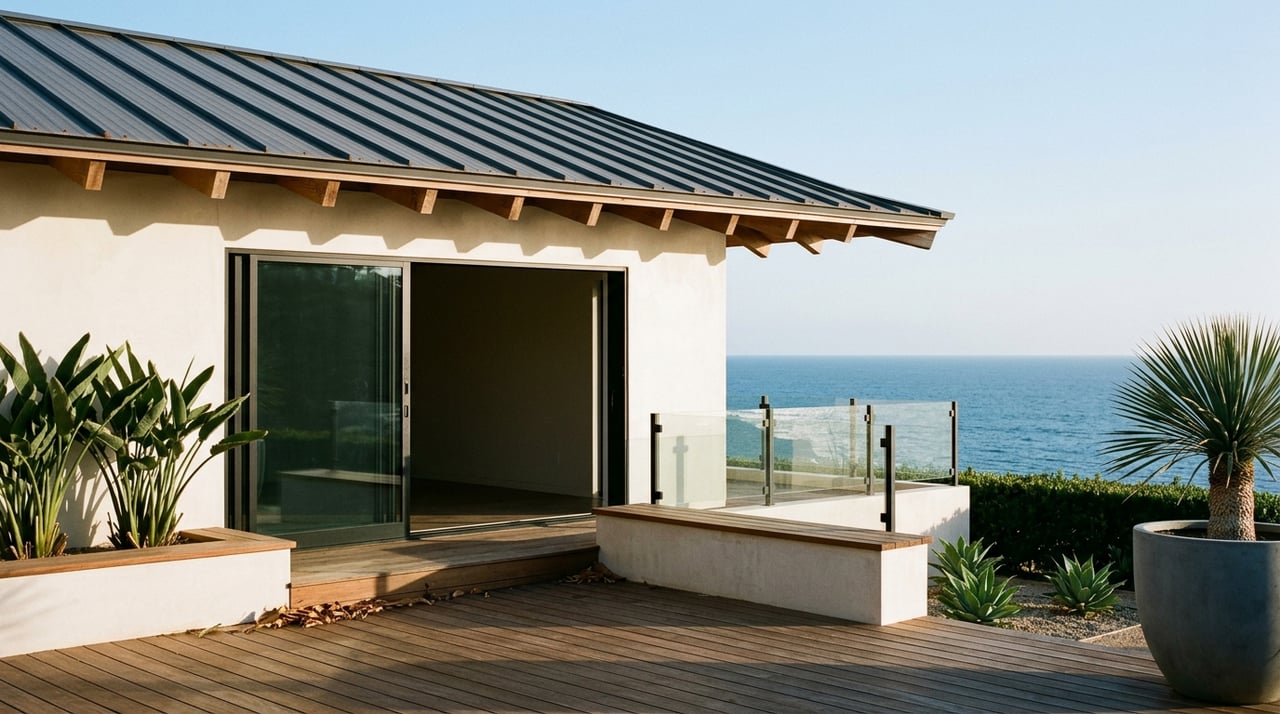
San Clemente has the kind of coastal setup that naturally supports a second-home strategy. The city’s Beaches, Parks and Recreation department oversees 324 acres of recreational space, 23 parks, 25.9 miles of hiking trails, and 2 miles of public beaches, which gives you more than just a scenic address. It gives you daily-use value, whether your goal is weekend escapes, longer seasonal stays, or a property with broad lifestyle appeal.
One of the strongest examples is the San Clemente Beach Trail, a 2.3-mile route linking North Beach and Calafia Beach with stops near the Pier and T-Street. For a second-home buyer, that kind of access matters because it makes the home useful beyond peak vacation weeks. You are not just buying near the water. You are buying into a place built around beach access and outdoor routine.
The city also leans into its beach identity through official beach access and safety resources for surfers, swimmers, and beachgoers. That reinforces a simple point: San Clemente is not selling a manufactured resort feel. It is a working coastal community organized around beach use, recreation, and shoreline stewardship.
Surf lifestyle and investment potential
San Clemente works best when you view it as a lifestyle-first market with selective investment potential. That distinction matters. A great surf retreat may be an excellent personal asset and long-term hold, even if it is not the ideal short-term rental candidate.
That is especially important in a high-cost market like Orange County. According to Orange County REALTORS housing data, existing single-family home sales reached 743 in January 2026 and 817 in February 2026, with median price per square foot around $711 to $722 and sales-to-list ratios near 99 percent to 100 percent. In plain terms, pricing stays competitive, so your purchase decision should line up with how you actually plan to use the property.
Statewide financing conditions add another layer. C.A.R.’s 2026 forecast projected California’s median home price at $905,000 and the average 30-year fixed mortgage rate at 6.0 percent. If you are buying in San Clemente, it helps to run the numbers with realistic expectations about debt service, carrying costs, and possible rental income.
Property types that fit different goals
Not every San Clemente property supports the same second-home or rental plan. The right fit depends on whether your top priority is personal use, long-term appreciation, or short-stay income.
Detached homes for personal use
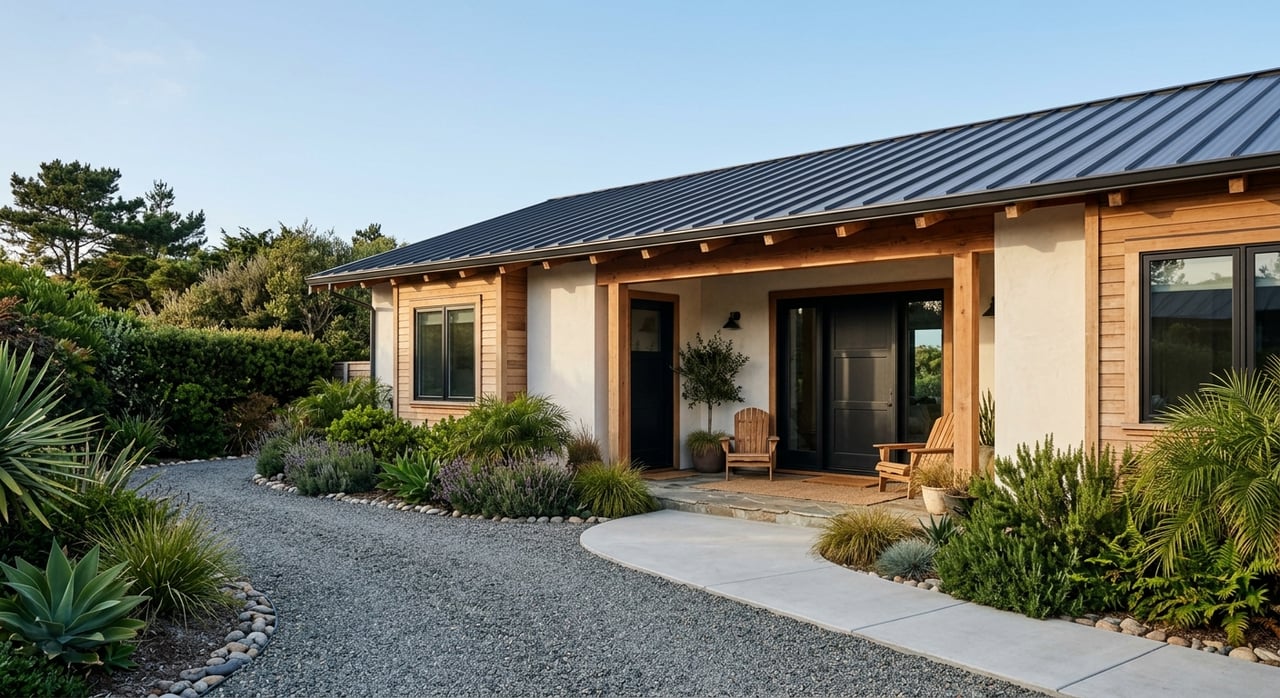
A detached single-family home can be a strong option if your focus is having a coastal base for yourself, your family, or guests. These homes often match the classic San Clemente lifestyle buyers imagine when they think of beach living.
But if you are counting on vacation-rental income, you need to be careful. The city’s short-term lodging unit packet states that single-family homes in low-density residential zones are generally not eligible for short-term lodging use. That means the traditional beach house may be better suited as a second home or long-term hold unless zoning clearly allows otherwise.
Condos or units in allowed zones
If your goal includes short-term rental income, properties in eligible mixed-use or multi-family zones may make more sense. The city’s Planning Services guidance says short-term lodging is allowed only in select mixed-use and multi-family residential zones, and even there, STLU use is capped at less than 20 percent of housing units.
That makes zoning one of the first filters, not the last. A unit that already sits in an allowed area with practical features like parking and clear association rules may be much more valuable to an investor than a more charming home in the wrong zone.
Multi-family for managed rental models
Multi-family properties can open up a different strategy. San Clemente allows Short-Term Apartment Rentals outside the STLU areas when the building is under single ownership, the owner or trained manager lives on site, up to five other units are rented short term, and the property meets separation and permit rules, according to the city’s Planning Services department.
For some buyers, that creates a clearer business model than a single detached home. If your plan depends on short stays, operational structure matters just as much as location.
Short-term rental rules to know first
If you are exploring a surf property as an income-producing asset, San Clemente’s local rules should shape your search from day one.
What counts as short-term lodging
The city defines short-term lodging as stays of 29 or fewer consecutive days. According to the city’s STLU packet, every short-term lodging unit other than a hotel needs both a zoning permit and an operating license.
The zoning permit is a one-time approval, while the operating license must be renewed every year. The application process also includes fees, zoning review, and neighbor notification within 300 feet.
Parking, insurance, and HOA review
The details can make or break a property’s usability. The city’s application packet requires off-street parking documentation, proof of rental insurance, and HOA approval if the property is part of an association.
That means your investment checklist should include more than revenue projections. You also want to confirm parking, operating restrictions, and whether an HOA allows the intended use before you move forward.
Coastal zone timing matters
If you plan to remodel, expand, or add improvements, timing can become a major factor. The city’s Planning Services page notes that projects in the Coastal Zone require Coastal Commission approval before city permits can move forward.
For buyers who want to add an ADU or make major upgrades, that can mean a longer entitlement timeline. It is smart to confirm coastal-zone status early so your renovation plan matches the real approval process.
How to think about cash flow
A San Clemente surf retreat can be emotionally rewarding, but the numbers still need to work for your goals. In a market with high acquisition costs, it helps to build a conservative model.
Your budget should account for:
- Purchase price
- Financing costs
- Property taxes
- HOA dues, if applicable
- Insurance
- Cleaning and turnover costs
- Management fees
- Vacancy
- Parking and compliance requirements
- Repairs and ongoing maintenance
- Transient Occupancy Tax
San Clemente’s Transient Occupancy Tax rules set the tax at 10 percent for short-term lodging and vacation rentals. The city also states that rent, cleaning fees, and key charges are subject to that tax. If a stay lasts 29 days or longer, it may qualify for an exemption when the proper form is completed in advance.
That tax treatment is one reason to model income carefully. A property that looks attractive at a high nightly rate can still underperform if your true operating expenses are not built into the plan.
Tax treatment is not one-size-fits-all
The IRS treats second homes and rental homes differently, and that distinction can affect how you evaluate the purchase. According to IRS Publication 936, a second home rented part of the year must meet the home-use test to remain a qualified second home.
IRS Publication 527 also helps explain that rental income and expenses are handled differently depending on your personal use. Mortgage interest on a qualified second home may be deductible, but debt limits and itemizing rules still apply.
For most buyers, the practical takeaway is simple: get tax guidance before you buy, not after. Your intended split between personal use and rental use can change the math.
A smart San Clemente buying checklist
If you are considering second-home and surf investment ideas in San Clemente, these are the most important items to verify before writing an offer:
- Zoning eligibility for short-term lodging or apartment rental use
- HOA rules if the property is part of an association
- Parking availability and documentation requirements
- Permit path for short-term operation
- Coastal Zone status if you plan to improve the property
- Insurance requirements for rental use
- TOT obligations and filing expectations
- Management plan for cleaning, turnovers, guest communication, and maintenance
- Personal-use strategy so the property fits your lifestyle goals even if rental rules limit income options
The city specifically advises buyers to contact Planning before buying or leasing a property to identify requirements, processes, and fees. That is one of the best ways to avoid buying a home that does not match your intended use.
The best way to frame the opportunity
The strongest San Clemente second-home ideas usually start with a lifestyle fit, then narrow into an investment plan that matches local rules. In other words, buy a property that you would genuinely enjoy owning first. Then evaluate whether the zoning, permits, and operating setup support additional income.
That approach tends to hold up better in a coastal market where access, recreation, and long-term appeal drive value. It also keeps you from overpaying for a property based on rental assumptions that may not be allowed.
If you want guidance on buying a second home, evaluating surf-adjacent opportunities, or building a realistic ownership plan in San Clemente, connect with Jim and Liz Habig. Their local market knowledge, lifestyle-first perspective, and full-service support can help you explore options that fit both how you want to live and how you want to invest.
FAQs
What makes San Clemente attractive for a second home?
- San Clemente offers strong day-to-day coastal usability with public beaches, the Beach Trail, parks, and hiking trails, which makes it appealing for personal retreats and longer seasonal stays.
Can any San Clemente home be used as a vacation rental?
- No. San Clemente allows short-term lodging only in select mixed-use and multi-family zones, and single-family homes in low-density residential zones are generally not eligible for that use.
What permits are required for a San Clemente short-term rental?
- The city requires a one-time zoning permit and an annual operating license for each short-term lodging unit, along with zoning review and other application requirements.
What taxes apply to San Clemente vacation rentals?
- San Clemente charges a 10 percent Transient Occupancy Tax on short-term lodging, and the tax applies to rent, cleaning fees, and key charges.
What should buyers check before buying a surf investment property in San Clemente?
- Buyers should verify zoning, HOA rules, parking, permit eligibility, coastal-zone status, insurance needs, tax treatment, and how the property will be managed.
How should buyers think about renovations for San Clemente coastal properties?
- If a property is in the Coastal Zone, planned improvements may require Coastal Commission approval before city permits can proceed, so timelines can be longer than expected.